
IEO Tech|Auto
IEO Science and Technology
- Solar Simulators
- Phone Detect
- Photo Capture
-
Solutions
- About ieoRobot
- ieoRobot Walking Demo
- Biped Robot ieoBot
- High-precision Dual-gantry Motion Control Solution
- Smartphone Inspection Solution
- Phone Test System Solution
- Labeling Automation Solution
- Smart Handling Solution
- Biped Walking Solution
- Online Store System Solution
- Chain Store POS Solution
- Download Center
- Videos
- About IEO
IEO's in-line advanced smartphone inspection system reserves a communication protocol for APP-based feature upgrades. It inspects indicators that normally require trained specialists - front and rear camera sharpness, screen dead lines and bright spots, sensors and gyroscopes, flash, screen sensitivity, audio volume and signal-to-noise ratio - lowering skill requirements, unifying inspection standards and saving labor costs.
With an in-line multi-threaded control design, up to 8 phones can be tested simultaneously, with one phone completed every 20-25 seconds on average. Equipment UPH (units per hour) is 150 PCS or more.
The PMADS automatic inspection system works with both Android and iOS phones. It focuses on the difficult steps that demand high operator skill - camera lens, screen and audio - replacing manual work with efficient, standardized testing at outstanding value for money.
Shenzhen IEO Technology is committed to eliminating the inconsistent scoring caused by varying operator skill in manual testing. Let's take a closer look together.
 Items inspected by the PMADS automatic tester include:
 1) Proximity and ambient light sensors
2) Front and rear cameras, wide and tele lenses: MTF sharpness, brightness uniformity, color uniformity, white balance and flash
3) Screen white/red/black display, dead lines, specks, bright spots, dark spots, bright patches, stripes, light bleed, light leakage, liquid leakage and yellowing
4) Screen touch sensitivity and 3D Touch
5) Earpiece and speaker volume and frequency; top and bottom microphone volume and frequency
6) Genuine vs. non-genuine screen (whether it is an original part)
PMADS advantages:1. Lower manpower and environment setup requirements
The system automates camera, screen and audio inspection in a production line, reducing the manpower and test hardware that manual testing requires.
2. Replaces human visual judgment
Intelligent algorithms detect subtle defects in the lens, screen and audio that would otherwise need a trained human eye. Every inspection is archived and replayable, giving accurate and standardized results.
3. Automated control of the test process
Switching and control during testing are fully automated with no manual intervention, delivering an efficient and consistent inspection process.
IEO's PMADS smartphone inspection system connects to the APP over a socket protocol. The PMADS control console is designed with the following features:
1. Asynchronous concurrent I/O natively supports large numbers of phones connected at the same time.
2. Inspection items are cleanly separated so that they can run concurrently without interfering with each other.
3. Inspection threads are pooled; compute-heavy items can be allocated more resources through configuration for faster results.
4. Inspection isolation: different tests run on different threads, so even if one test fails the others are unaffected.
5. Controllable timing: every test must finish within a specified window, preventing excessive resource usage.
The console drives multiple phones concurrently: sharpness analysis of the front and rear cameras, screen dead-line and bright-spot detection, inspection of the camera lens for dark spots and dead lines, evaluation of screen sensitivity, and measurement of microphone and speaker volume and signal-to-noise ratio.

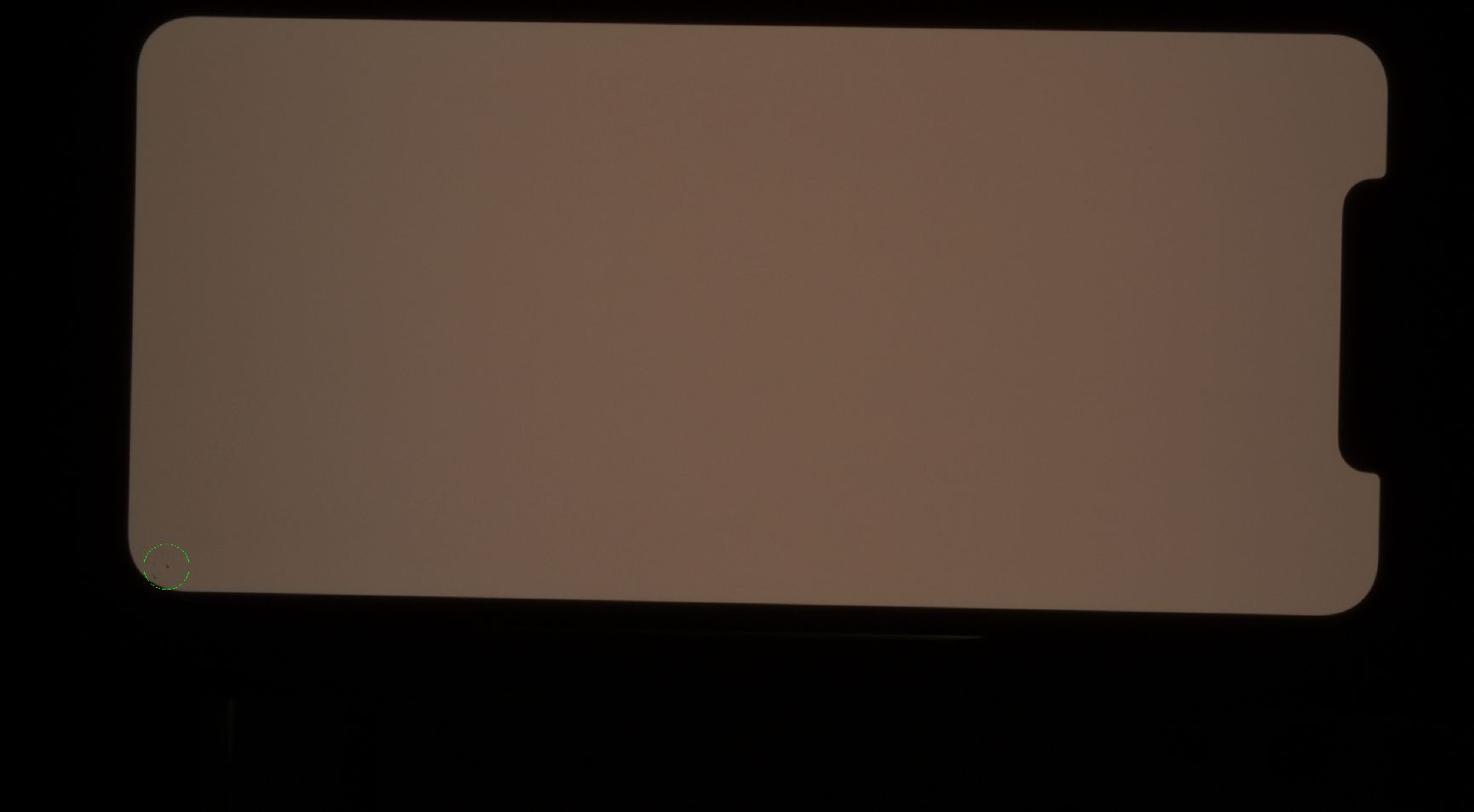
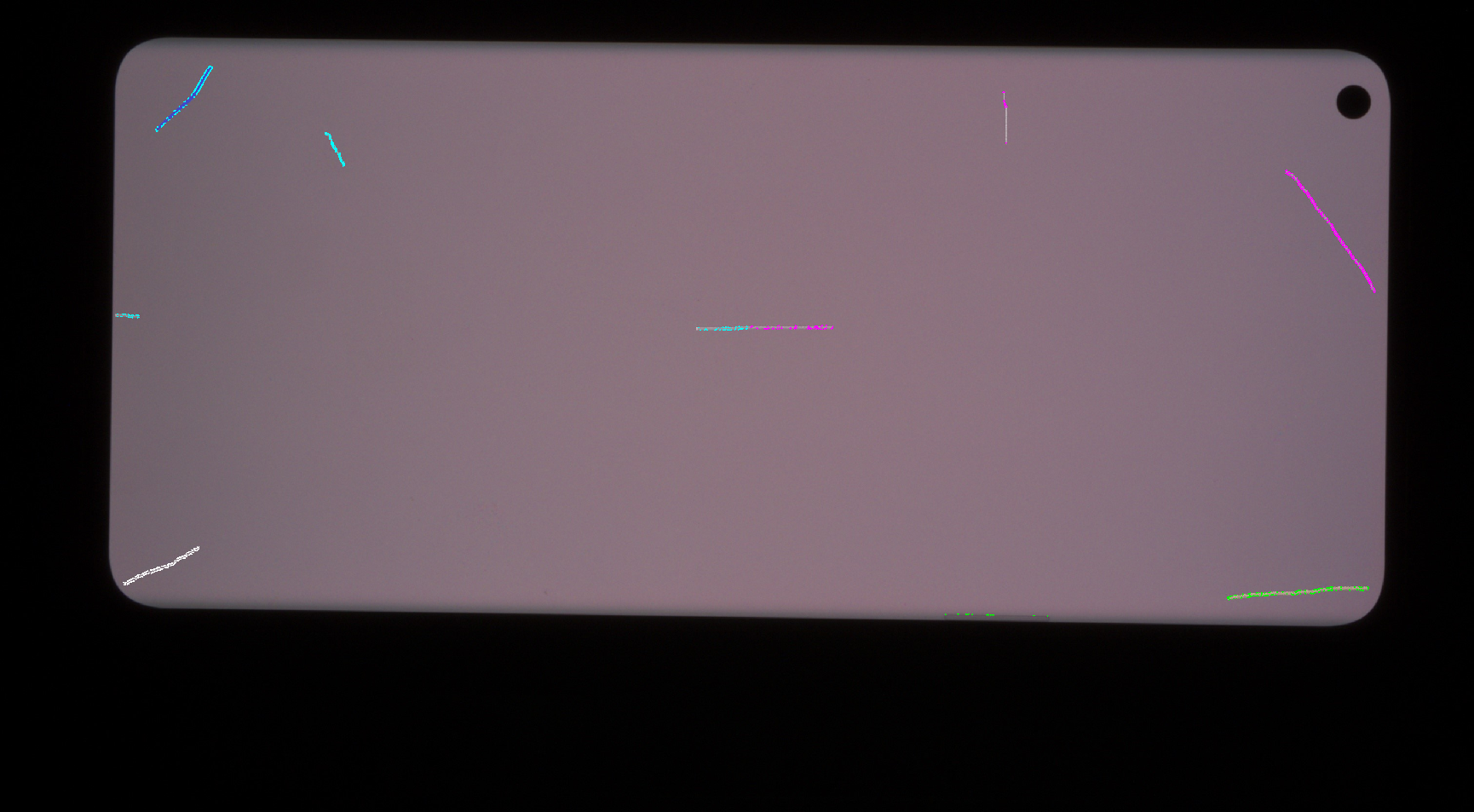
1. For screen inspection PMADS first models the phone's screen contour to derive its curve function. Based on that function, the edge region and the central region are treated separately, applying different dead-line, bright-spot and dark-spot algorithms.

Inspection result:
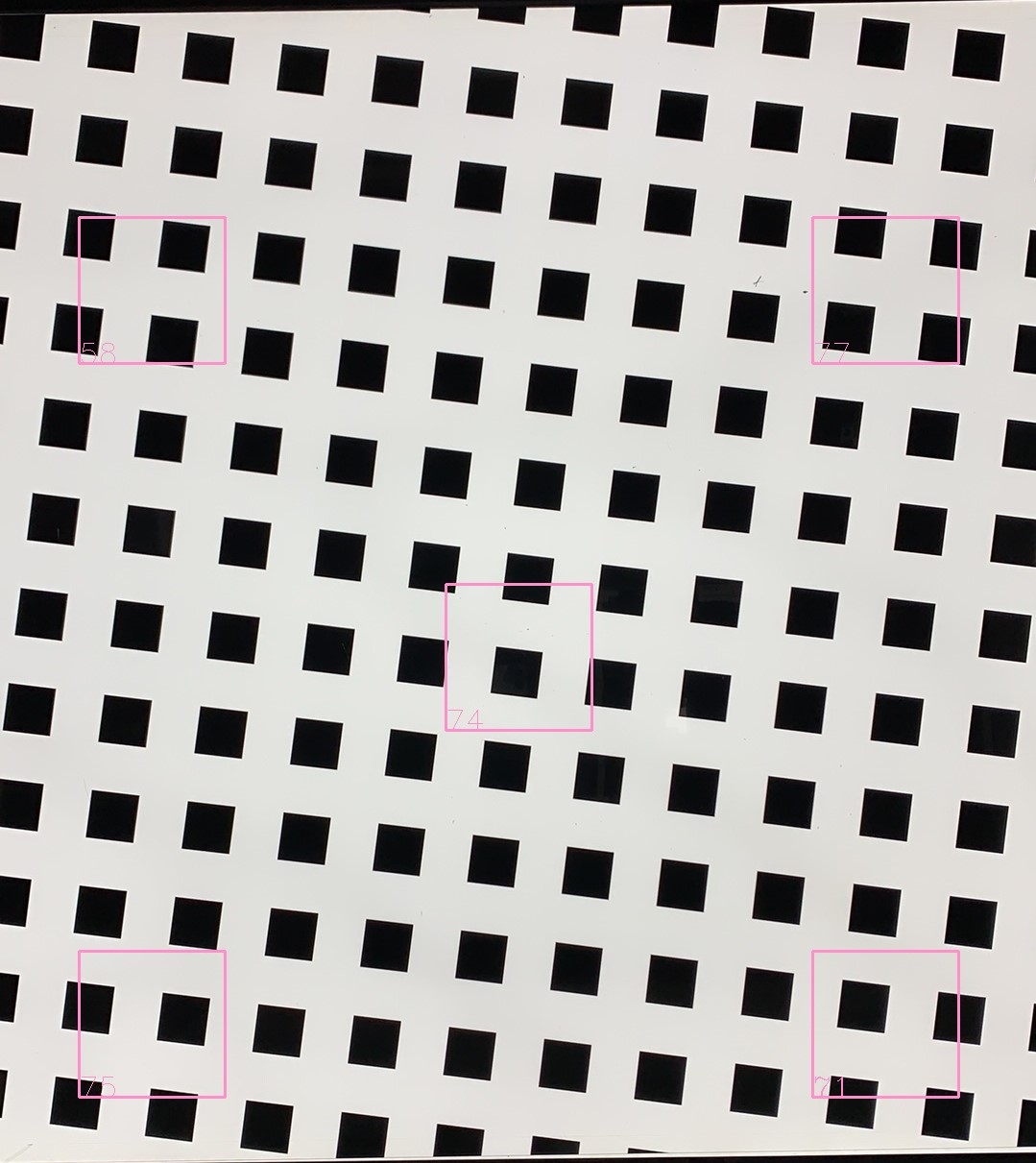
2. MTF50 is calculated from the slanted edge of a captured grid to derive sharpness:
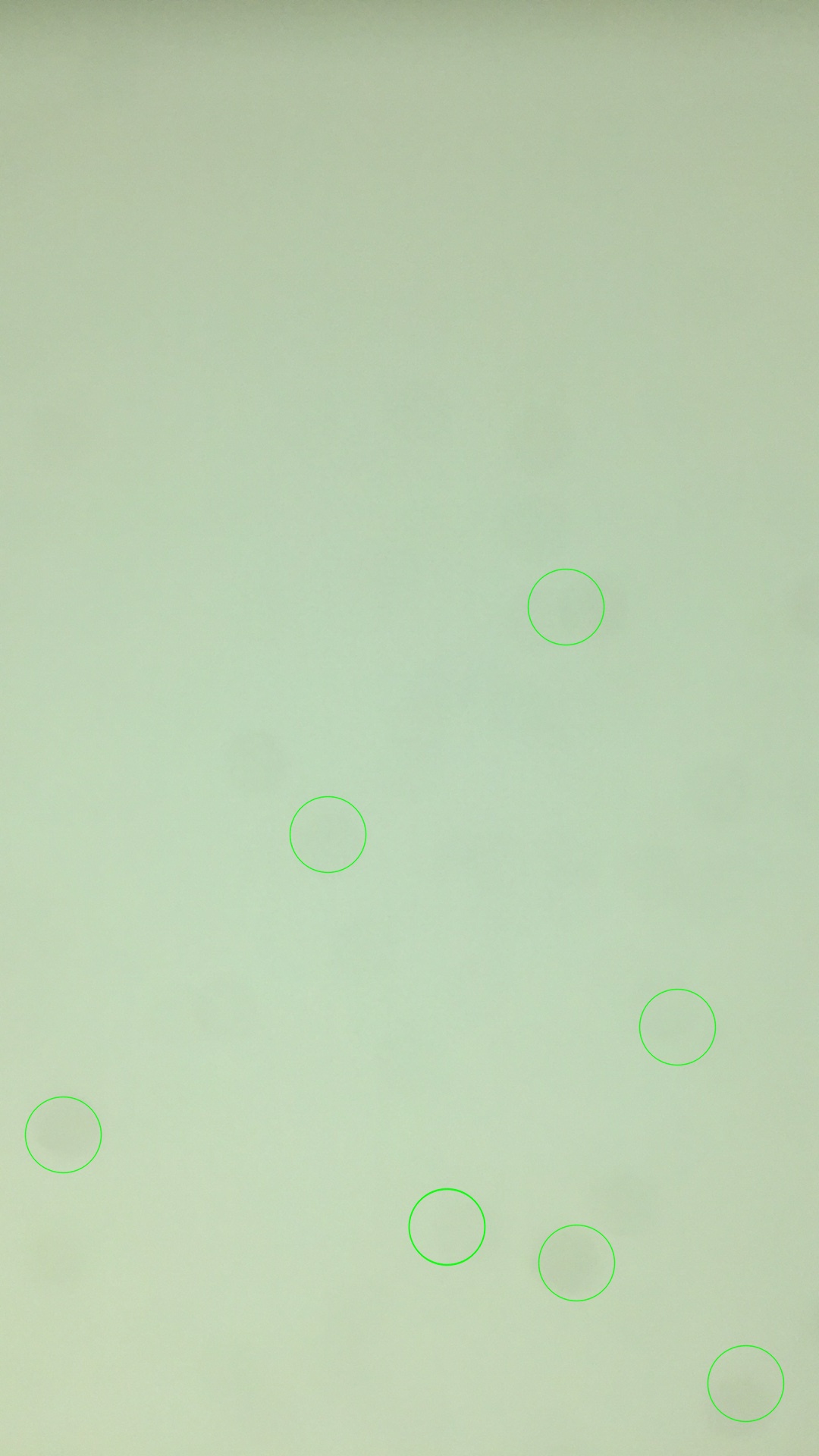
3. Analyze the camera lens for dark spots and dead lines
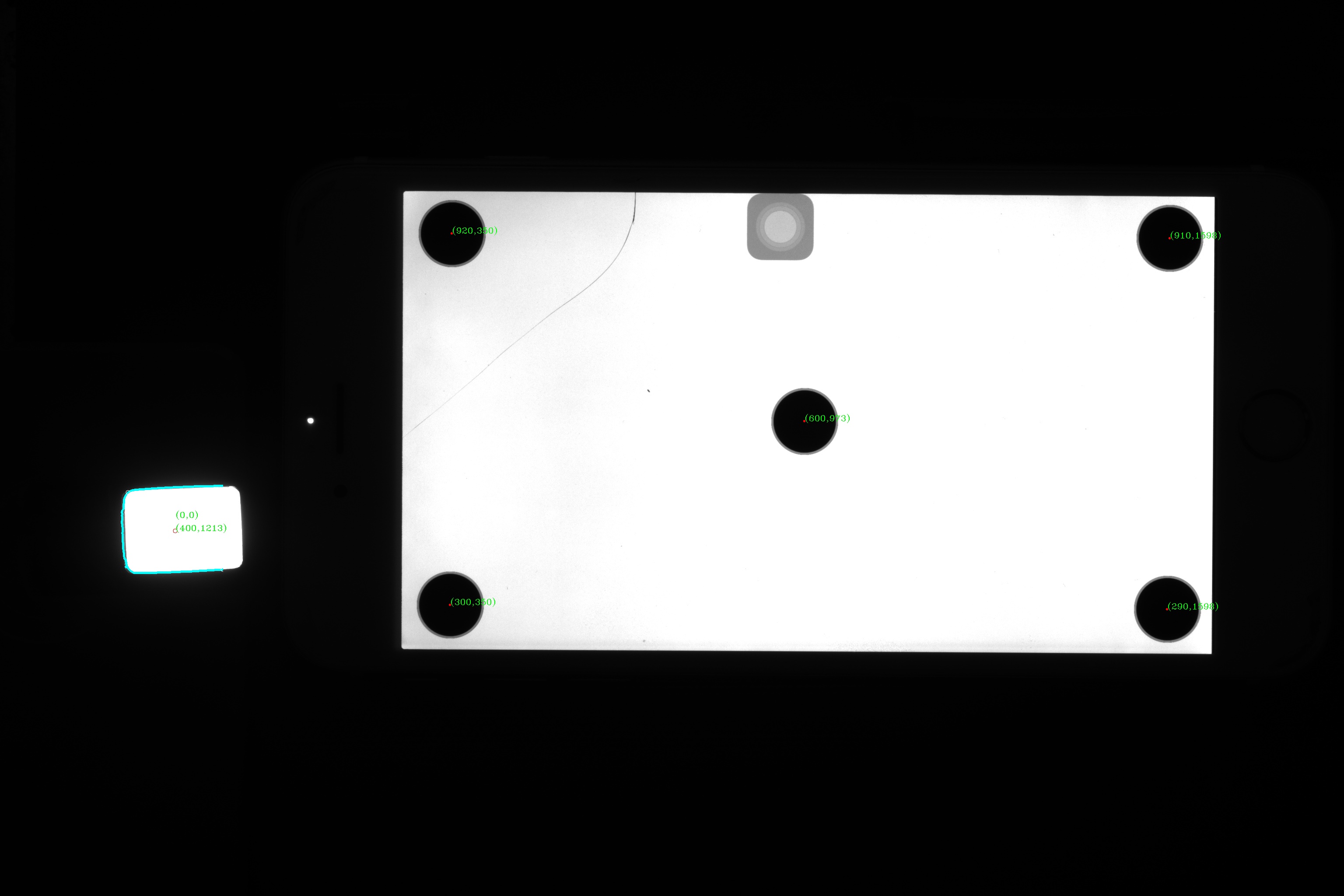
4. Screen swipe traces recorded by the APP are used to test touch sensitivity

Locating the 3D Touch button on the screen
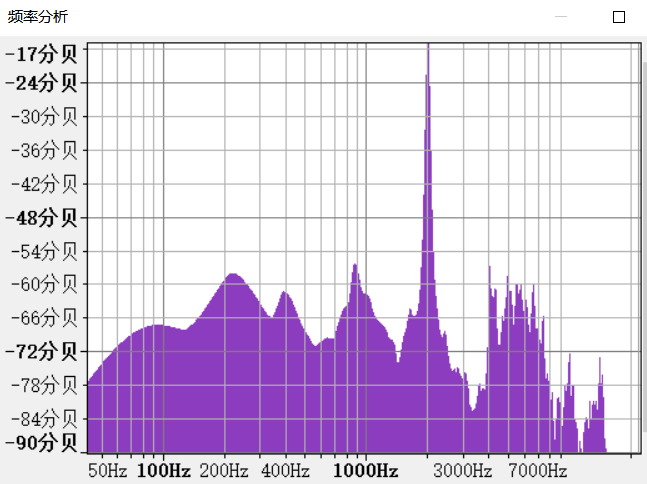
5. Measure microphone frequency and volume
1.1 Structure
The left image shows fixed-position, multi-height labeling; the right image shows adaptive labeling at any position and any height (described below).
1.2 System composition
The system consists of five modules: conveyor, positioner, printing, label transport and labeling.
1.3 Process flow
Load product > Convey > Product detection > Position and clamp > Print label > Arm moves to position > Labeling > Convey out
1. Place the product onto the conveyor in the correct orientation
2. Driven by the conveyor, the product automatically moves toward the labeling station
3. When the product approaches the detection sensor, the PLC receives the in-position signal and stops the conveyor
4. The positioner aligns the product against the edge
5. The SKU label is printed and the robotic arm moves to pick it up
6. The arm carries the label to the labeling position according to the SKU
7. The labeling module presses down vertically to apply the label
8. When labeling is complete, the module rises, the positioner releases and the product is conveyed away
1.4 Principle
1. Product SKU label data is imported into the system from Excel (or by other means).
2. The label position for each SKU product is configured once, for example power bank 1 at (X1, Y1), camera product at (X2, Y2) and earphone product at (X3, Y3).
3. When the SKU changes, once the label is printed the system uses the robotic arm to carry it to the corresponding labeling position, then waits for the product to arrive before pressing the label on.
4. The labeling module can label products of different heights.
1.5 Throughput
SKU labels are printed and applied in real time at up to 5 seconds per label, completing roughly 720 labeled products per hour.
1.6 Advantages
Highly practical: switching between different SKU products needs no mechanical adjustment. Simple and easy to use.
High precision: label placement accuracy can be held within plus or minus 1 mm, demonstrating product quality control and enhancing brand image.
High efficiency: real-time printing runs at 6 seconds per label when switching between products, and can be further optimized for your business scenario, greatly reducing staffing requirements.
1.7 Fixed-position labeling solution demo video
-


-

 Hotline:
13809882242 -

